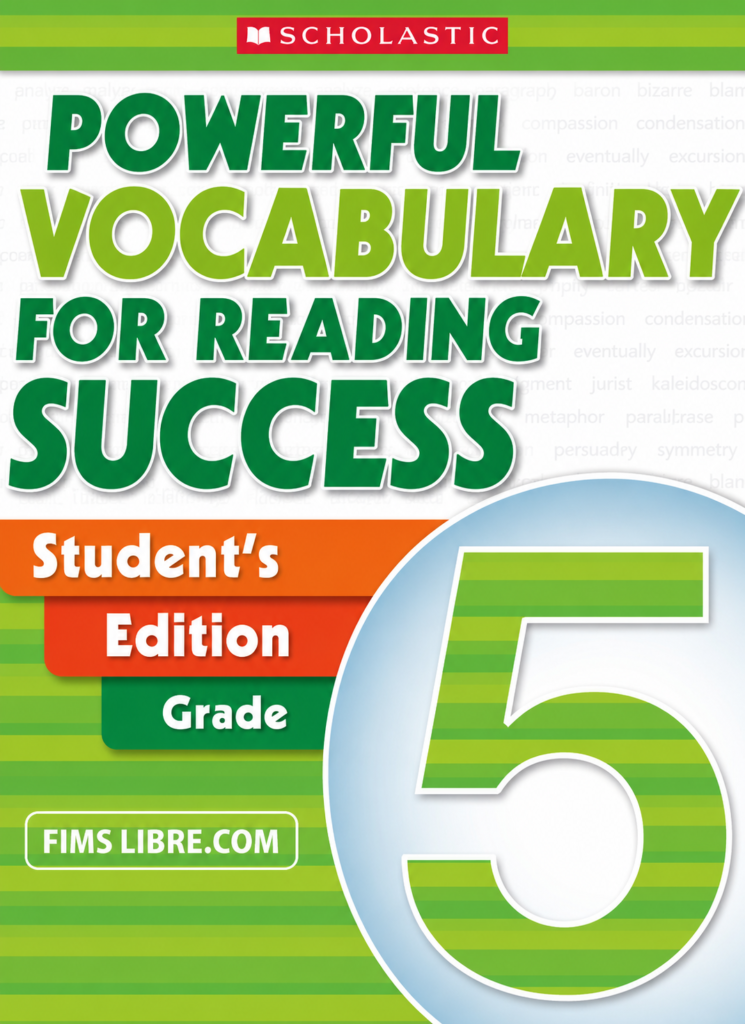
First Impressions
I went into this book expecting another typical vocabulary workbook, but it turned out to be much more engaging than I anticipated. Instead of throwing long word lists at the reader, it teaches vocabulary through short stories, context clues, and repeated practice. After spending time with the book, I came away feeling that it focuses less on memorizing definitions and more on understanding how words naturally work in real situations.
One thing I noticed fairly early is that the lessons are built around stories instead of isolated exercises. That small choice makes a surprisingly big difference. Rather than meeting fifteen random words on a page, I first encountered them inside adventures, folktales, historical events, and everyday situations. It made the new vocabulary easier to remember because every word had a place in a story.
What’s Inside the Book?
The book begins by teaching students how to use context clues to understand unfamiliar words. The opening lesson follows Matthew Henson and Robert Peary during their journey to the North Pole, introducing words like obstacle, precaution, target, and vehicle through the story instead of dictionary definitions.
As the chapters continue, the book gradually expands beyond nouns. There are sections devoted to verbs, adjectives, and adverbs, each introduced with a completely different reading passage. I enjoyed the variety. One lesson tells the humorous story of a farmer visiting a Wise Woman for advice, while another follows Ricardo preparing tacos for his mother’s birthday. Later chapters shift toward topics like famous dogs, family vacations, and even the legends of King Arthur.
Rather than stopping after introducing vocabulary, every lesson follows a familiar rhythm:
- Read a story containing new words.
- Learn meanings through context.
- Complete matching and multiple-choice activities.
- Use the words in writing exercises.
- Review the words in different situations.
- Finish with a mastery check.
I also appreciated the small grammar notes sprinkled throughout the book. They briefly explain things like noun endings, verb tenses, adjective comparisons, or how adverbs are formed. They never become full grammar lessons, but they provide just enough explanation to support the vocabulary work.
What stood out to me was that almost every new word appeared several times in different activities. By the end of a lesson, I rarely had to look back to remember what a word meant.
Things I Really Liked
Honestly, I wasn’t expecting the stories to carry the lessons as well as they did. The historical passage about the race to the North Pole immediately caught my attention because the vocabulary felt connected to the challenges the explorers faced. Later, the funny story about filling a tiny house with horses and cows made verbs like coax, consult, and reveal surprisingly memorable.
I also liked that many exercises ask students to create something instead of simply filling in blanks. Writing thank-you cards, restaurant advertisements, newspaper stories, bumper stickers, vacation brochures, character sketches, and even songs gives learners opportunities to actually use the vocabulary. That approach feels much more meaningful than endless matching exercises.
Another strength is the steady repetition. At first I wondered if it might become excessive, but after several chapters I realized the repetition is intentional. The same vocabulary words appear in definitions, stories, writing prompts, and review pages, helping them stick naturally.
A Few Downsides
To be fair, the structure can become predictable after a while. Every lesson follows nearly the same sequence, so I occasionally found myself knowing exactly what type of exercise would appear next. Younger students probably benefit from that consistency, but reading the book straight through made it feel somewhat repetitive.
Some of the reading passages also reflect older examples and references. Stories about explorers, King Arthur, and historical figures still work well, but a few situations feel a little dated compared with what today’s students might encounter in everyday life. That didn’t hurt the learning, although I occasionally wished for more modern scenarios involving technology or contemporary school life.
I also noticed that stronger readers may finish certain activities quite quickly. The challenge comes less from difficult reading and more from carefully applying new vocabulary in different contexts.
What Stayed With Me After Reading
Looking back, I think the biggest success of this workbook is how naturally it teaches word meaning. Instead of encouraging students to memorize definitions for a test, it repeatedly asks them to think about how words function inside real sentences and stories. That habit is much more valuable in the long run.
I found myself remembering words because I remembered the situations they belonged to—the Arctic expedition, the Wise Woman’s unusual advice, Ricardo’s birthday dinner, the playful dogs, and the family camping trip. Those stories became mental reminders for the vocabulary itself.
If I’m being realistic, this isn’t the kind of book someone reads for entertainment alone. It’s clearly designed as a learning resource. Still, among vocabulary workbooks I’ve seen, this one feels more thoughtful than most. The combination of storytelling, context clues, grammar support, writing activities, and repeated practice creates a learning experience that stays engaging far longer than I expected.
By the time I finished the final pages, I felt less like I had completed a workbook and more like I had worked through a collection of small reading adventures that happened to build vocabulary along the way. That balance is probably what I appreciated most.
Final Thoughts
The longer I spent with this book, the more I appreciated its teaching style. Instead of expecting readers to memorize long vocabulary lists, it encourages them to understand words through stories, context clues, and repeated practice. That approach made the learning feel much more natural.
I also liked that every lesson built on the previous one without becoming overwhelming. Some activities did start to feel a little repetitive after several chapters, but I can see why they are included—they reinforce new words from different angles. For Grade 5 learners especially, that repetition is probably more helpful than it first appears.
By the end, I felt that this book does a good job of improving both vocabulary and reading confidence at the same time. It isn’t trying to be flashy or entertaining every minute, but it stays focused on helping students actually understand and use new words. After finishing it, I came away feeling that it’s a well-organized workbook that rewards steady practice rather than rushed reading. It left me with the impression that consistent, story-based vocabulary learning can be far more effective than simply memorizing definitions.
📚 Related Books
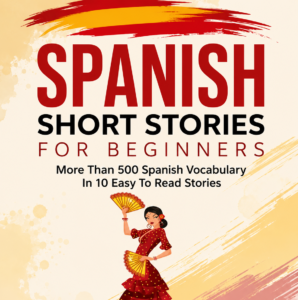
Spanish Short Stories For Beginners More Than 500 Spanish Vocabulary Book
View Book →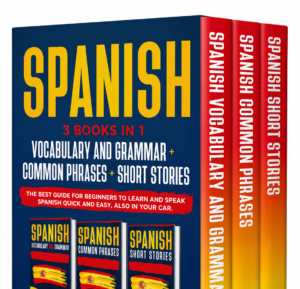
Spanish Includes Vocabulary and Grammar Books
View Book →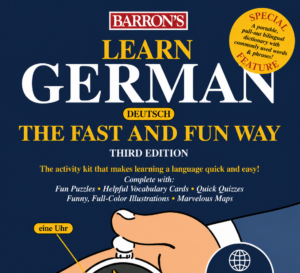
Learn German The Fast and Fun Way Book
View Book →
Longman Student Grammar of Spoken and Written English
View Book →
Practising German grammar workbook
View Book →Join Our Facebook Learning Groups
🇩🇪 Learn German Free 🇬🇧 English Learning Group 🇪🇸 Spanish Learning GroupJoin our educational Facebook communities to improve your language skills, practice daily conversations, and connect with learners from around the world.