My Honest First Impression
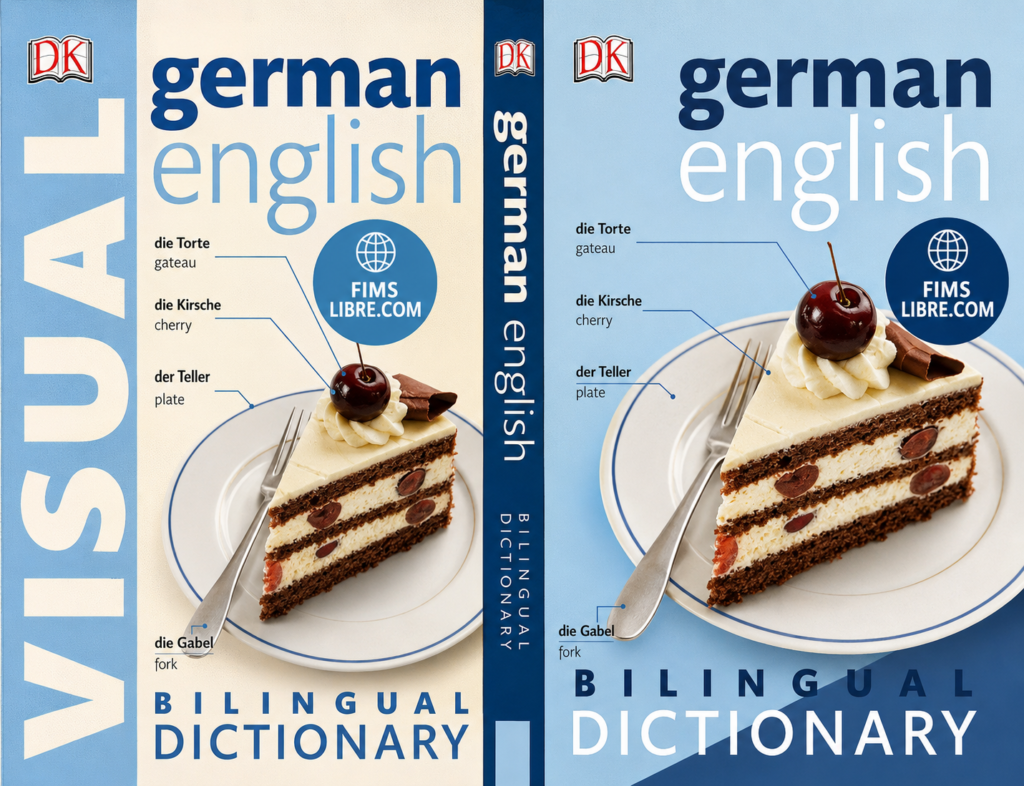
When I first opened German Visual Dictionary, I assumed it would be another ordinary bilingual dictionary with pages full of alphabetically arranged words. Instead, it turned out to be something much more visual and practical. Rather than asking readers to memorize long vocabulary lists, it introduces German words through photographs and labeled illustrations. I wasn’t expecting such a simple idea to work so well, but after spending time with it, I found myself remembering words much more easily because they were attached to real objects instead of isolated translations.
It feels less like studying and more like exploring everyday life through pictures. That alone makes the experience noticeably different from most beginner language books I’ve used.
A Quick Walk Through the Content
Around forty percent of what makes this book useful comes from its organization and visual learning approach. Instead of following grammar lessons or lengthy explanations, the dictionary is divided into practical themes that mirror real-life situations.
The chapters cover common areas such as the home, kitchen, food, clothing, transportation, travel, shopping, health, work, education, technology, sports, and many other everyday topics. Each page is built around clear photographs or illustrations where objects are carefully labeled in both German and English.
I especially liked how vocabulary isn’t presented randomly. Everything is grouped naturally. A kitchen page contains appliances, utensils, ingredients, and cooking equipment together. A transportation section introduces vehicles, road signs, stations, and travel-related terms in one place. That organization makes it surprisingly easy to connect related words.
Another feature I appreciated was the pronunciation support included throughout the book. While it doesn’t replace listening practice, it gives beginners enough confidence to start recognizing unfamiliar German words before hearing native speakers.
The visual approach also makes revision much easier. Instead of reading endless columns of vocabulary, I could simply flip to a page and immediately review dozens of related words within a few minutes.
A Few Things I Liked
Honestly, I enjoyed how relaxing this dictionary feels compared to traditional textbooks.
There isn’t any pressure to finish chapters in order. Some days I spent fifteen minutes browsing household vocabulary, while on other days I skipped straight to travel or food sections simply because they interested me more.
The photographs deserve credit as well. They’re clear, colorful, and detailed without becoming cluttered. Every label feels purposeful, and I rarely found myself confused about which object was being identified.
I also noticed that many words are ones people genuinely use every day. Instead of focusing heavily on unusual or highly specialized vocabulary, the book introduces language that beginners will probably encounter while traveling, shopping, eating out, or talking about everyday life.
Maybe it’s just me, but visual memory has always worked better than memorization through repetition alone. Seeing a picture of an object alongside its German name helped many words stay in my memory longer than I expected.
Some Personal Thoughts
One thing I kept thinking while reading was that this isn’t really a book you’ll finish once and place on a shelf.
I found myself returning to it repeatedly whenever I forgot a word or wanted to expand my vocabulary around a specific topic. It gradually became more of a reference companion than something I read from beginning to end.
Looking back, that’s probably exactly what a visual dictionary should be. It isn’t trying to replace grammar books or conversation courses. Instead, it fills a completely different role by making vocabulary building less intimidating.
I also appreciated that the layout encourages curiosity. I’d often start reviewing kitchen vocabulary and somehow end up spending twenty minutes looking through transportation, gardening, or office equipment simply because the pages were enjoyable to browse.
A Few Things That Could Be Better
To be fair, there are a few limitations.
Since the book focuses mainly on vocabulary, readers won’t find detailed grammar explanations or structured language lessons. If someone expects complete German instruction from beginner to advanced level, they’ll probably need additional resources.
At one point I wished there were more example sentences showing how certain words are actually used in conversation. Knowing the vocabulary is helpful, but understanding natural sentence patterns is equally important.
Some categories also feel more detailed than others. Certain everyday topics receive extensive coverage, while a few sections move through vocabulary rather quickly. It’s not a major issue, but I occasionally wanted a little more depth.
Final Thoughts
After spending time with German Visual Dictionary, I came away appreciating it for what it is rather than what it isn’t. This isn’t designed to teach every rule of the German language or guide readers through complex grammar. Instead, it focuses on helping learners build practical vocabulary through images that are surprisingly memorable.
If I’m being realistic, I think this book works best alongside a grammar course or conversation guide rather than as a standalone learning resource. Still, its visual approach makes vocabulary review feel much less repetitive, and that’s something I genuinely appreciated.
By the end, I realized I had picked up dozens of everyday German words almost without noticing. Instead of forcing myself to memorize long lists, I was simply connecting images with language. For me, that made the learning process feel more natural, more enjoyable, and far easier to return to whenever I wanted a quick vocabulary refresher.
Join Our Facebook Learning Groups
🇩🇪 Learn German Free 🇬🇧 English Learning Group 🇪🇸 Spanish Learning GroupJoin our educational Facebook communities to improve your language skills, practice daily conversations, and connect with learners from around the world.