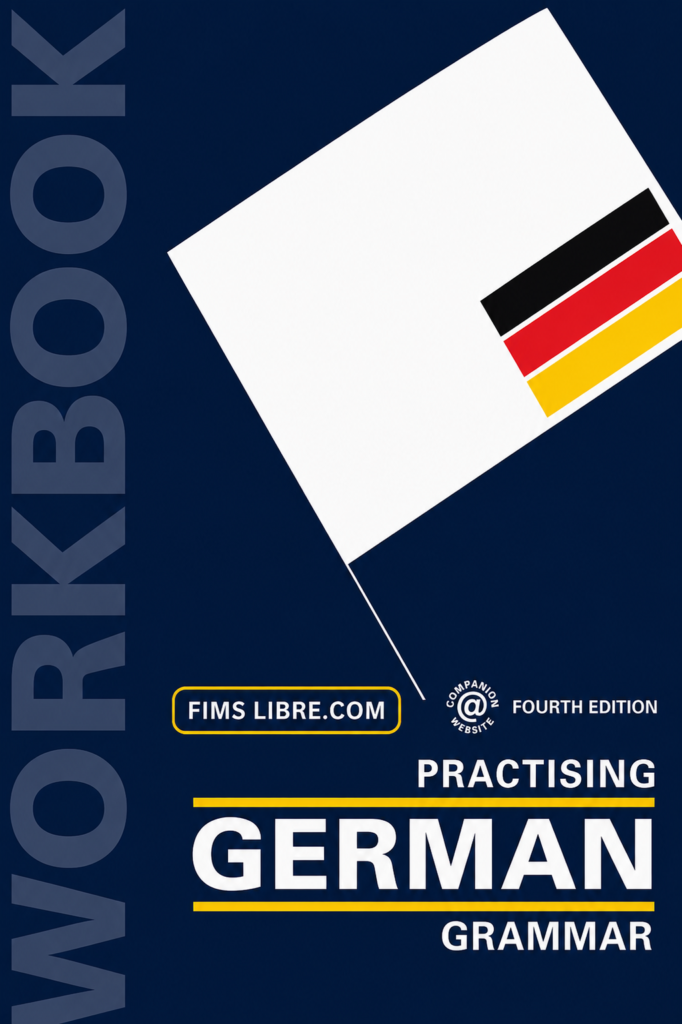
I picked up Practising German Grammar after struggling with German cases for quite some time. If you’ve ever mixed up the dative and accusative or stared at a sentence wondering why a noun suddenly changed its ending, you’ll probably understand why I was interested in this workbook. I wasn’t looking for something entertaining. I simply wanted a resource that would help me stop making the same grammar mistakes over and over.
After spending a good amount of time with it, I realized this isn’t the kind of book you rush through. In fact, I think trying to finish it quickly would completely defeat its purpose. It’s designed for slow, consistent practice, and once I accepted that, I started enjoying it a lot more.
My Reading Experience
One thing I noticed almost immediately was that every chapter asks you to actually do something. You’re not just reading explanations and moving on. Almost every topic is followed by exercises that make you apply what you’ve just learned. There are activities on cases, sentence structure, apposition, measurement phrases, and many other grammar points that German learners usually find difficult.
At first, I kept checking the answers in my head before writing anything down. Then I realized I was learning much more when I forced myself to complete every exercise honestly, even if I got half of it wrong. Oddly enough, making mistakes became part of the learning process instead of something frustrating.
Things That Stood Out to Me
The exercises never felt randomly thrown together. They gradually became more demanding, which made me feel that I was building on earlier lessons instead of starting from scratch every chapter.
I also liked that many examples sounded like real German rather than artificial textbook sentences. Some activities use newspaper extracts, short passages, and realistic examples, making grammar feel connected to everyday language instead of isolated rules.
That probably kept me interested longer than I expected.
Another thing worth mentioning is that the workbook doesn’t constantly remind you of basic concepts. It expects you to think for yourself. I actually appreciated that because it made each completed exercise feel a little more rewarding.
I don’t think this book tries to make German grammar “easy.” It simply makes it feel more manageable, and there’s a difference.
Where I Struggled
Not every chapter went smoothly for me.
The sections covering the different cases demanded much more concentration than I expected. There were moments when I had to stop, make a cup of coffee, and return later because everything was starting to blur together.
Maybe it’s just me, but German grammar has a way of making you feel confident one minute and completely confused the next.
I also think absolute beginners could feel overwhelmed. The workbook assumes you’re already familiar with basic German vocabulary and sentence construction. Without that foundation, some exercises might seem difficult before you even start answering them.
That isn’t really a flaw, though. It simply means the book knows who it’s written for.
What I Took Away From It
The biggest lesson wasn’t actually about grammar.
It was learning to slow down.
Earlier, I used to read grammar explanations once and assume I understood them. This workbook quickly proved that understanding a rule and actually using it correctly are two completely different things.
After working through several chapters, I noticed myself recognizing sentence patterns that I had previously ignored while reading German articles online. I still made mistakes, but they happened less often, and I started noticing why they were mistakes.
That felt like genuine progress.
Is It Worth Your Time?
I think the answer depends entirely on what you’re looking for.
If you want a casual introduction to German, this probably isn’t the best place to begin. There are lighter books that explain the basics more gently.
On the other hand, if you’ve already studied German for a while and feel that grammar keeps holding you back, this workbook becomes much more valuable. It gives you plenty of opportunities to practice instead of simply reading explanations.
I also liked that I could return to individual chapters whenever I forgot something. It doesn’t feel like a book you finish once and never open again. It’s more like a reference that stays useful long after the first reading.
Final Thoughts
Looking back, I’m actually glad I didn’t try to race through this workbook. German grammar isn’t something I can master in a weekend, and this book never pretends otherwise.
Some chapters were challenging enough that I questioned whether I had really learned anything. Then a few days later, I’d solve a similar exercise much more confidently than before. Those small improvements were easy to overlook in the moment, but together they added up.
By the time I closed the final pages, I didn’t feel like an expert. I simply felt more comfortable with German than I had been when I started. For a grammar workbook, that’s probably the most honest compliment I can give.
Join Our Facebook Learning Groups
🇩🇪 Learn German Free 🇬🇧 English Learning Group 🇪🇸 Spanish Learning GroupJoin our educational Facebook communities to improve your language skills, practice daily conversations, and connect with learners from around the world.