First Impressions
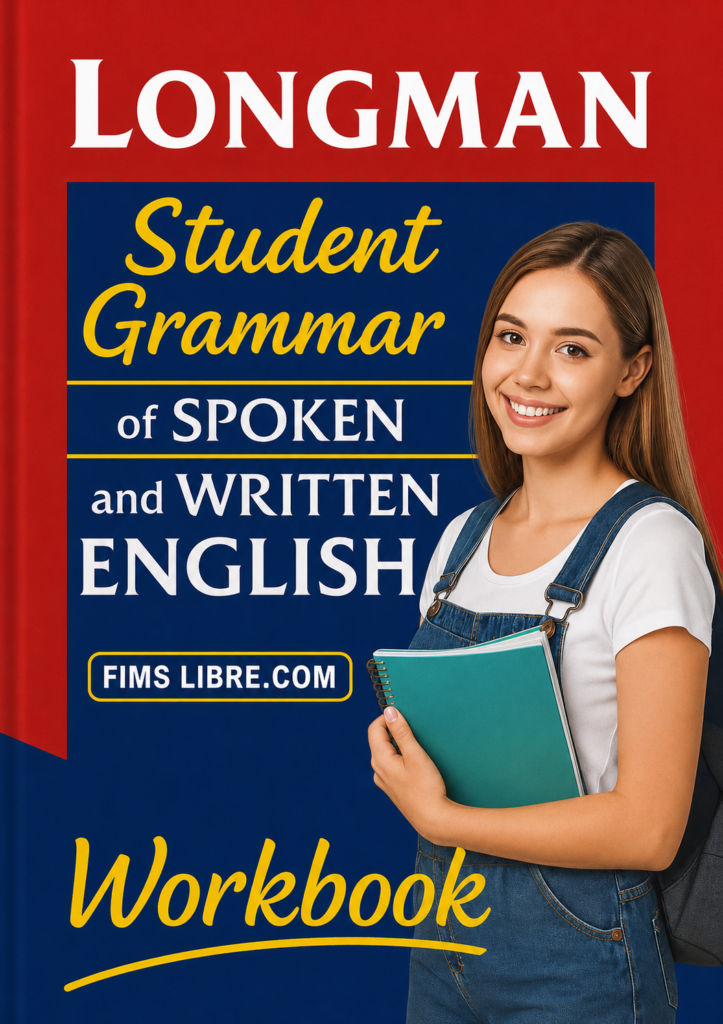
I have mixed feelings about grammar books because so many of them seem to assume that readers already know half of what they’re trying to explain. I opened Longman Student Grammar of Spoken and Written English expecting another reference book that I would probably use once and then leave on a shelf. Surprisingly, it turned out to be much more approachable than I expected.
What caught my attention first wasn’t the number of grammar topics—it was the way the book tries to connect grammar with real English instead of treating it like a collection of rules that have to be memorized. That made me curious enough to keep reading.
What Makes It Different?
One thing I noticed fairly early is that this book pays attention to both spoken and written English. That sounds like a small detail, but it actually changes the way grammar is explained.
Many grammar books teach rules as though every conversation and every piece of writing should sound exactly the same. This one reminds readers that people don’t always speak the way they write, and I found that perspective refreshing. It helped me understand why native speakers sometimes say things that don’t perfectly match the grammar rules I learned years ago.
I also appreciated that the explanations generally build from simpler ideas before introducing more complicated structures. Instead of feeling rushed, the learning process felt gradual.
A Few Things I Liked
Honestly, the biggest strength of the book is its organization. Grammar can easily become overwhelming, but the chapters are arranged in a way that makes it easier to focus on one topic at a time.
A few things stood out while I was reading:
- The explanations are clear without being overly academic.
- Examples make grammar rules easier to understand.
- The book covers both everyday English and more formal writing.
- Topics are arranged logically, so one chapter naturally leads into the next.
- It works well as both a study guide and a reference book.
I found myself going back to earlier chapters more than once, not because they were confusing, but because they became useful whenever I encountered a similar grammar point later.
Good grammar books don’t just tell you the rules. They help you understand why those rules matter in real communication.
A Couple of Weak Spots
To be fair, this isn’t the kind of book you casually read from beginning to end over a weekend. There is a lot of information packed into its pages, and trying to absorb everything at once can become tiring.
Maybe it’s just me, but after studying several chapters in one sitting, I started mixing different grammar rules together. I eventually realized that shorter study sessions worked much better than marathon reading.
Another small limitation is that some readers may want even more practice exercises after certain explanations. The concepts are explained well, but I occasionally wished there were a few additional opportunities to test my understanding before moving on.
If someone is completely new to English grammar, a few sections might feel challenging at first. The book expects readers to stay engaged rather than simply skim through the pages.
My Reading Experience
What surprised me most was how often I connected the lessons with situations I had experienced before. There were grammar points that had confused me for years, and suddenly the explanations made much more sense because they were supported by realistic examples instead of abstract definitions.
I don’t know why, but I also became more aware of grammar while reading newspapers and online articles after spending time with this book. Instead of reading automatically, I started noticing sentence patterns that I would have ignored before.
That was probably the moment I realized the book was actually helping me think differently about English rather than simply teaching rules.
Who Will Probably Enjoy This
I think this book is best suited for students who already have a basic understanding of English and want to improve their grammar in a more structured way.
It would also be useful for university students, language learners, teachers, and anyone preparing for exams where accurate grammar matters. Since it covers both spoken and written English, it feels relevant in more situations than many traditional grammar books.
However, readers looking for a quick beginner’s guide may find it a little detailed. It’s a resource that rewards patience, and I think that’s important to know before starting.
Final Thoughts
Looking back, I enjoyed this book more than I expected. Grammar isn’t usually the most exciting subject, but this guide manages to present it in a way that feels practical instead of intimidating.
If I’m being realistic, no grammar book can instantly solve every language problem. Real improvement still comes from reading, writing, listening, and using English regularly. Even so, having a reliable reference like this makes that journey much easier.
By the time I finished exploring the book, I felt less worried about memorizing grammar rules and more interested in understanding how English actually works in everyday communication. That shift in perspective was probably the most valuable thing I took away from the experience, and it’s the reason I can see myself returning to this book whenever I need a clear explanation instead of searching through random websites.
Join Our Facebook Learning Groups
🇩🇪 Learn German Free 🇬🇧 English Learning Group 🇪🇸 Spanish Learning GroupJoin our educational Facebook communities to improve your language skills, practice daily conversations, and connect with learners from around the world.